Interview with
Dr. Kay Bredehorst
Cell Education – The Institute was founded by Dr. Kay Bredehorst and Dr. Marco Hartl to promote the revolutionary possibilities of cell therapy in medicine. With a holistic approach to training therapists, the institute aims to improve the quality of medical care through innovative cell therapy, both nationally and internationally.
Free information >
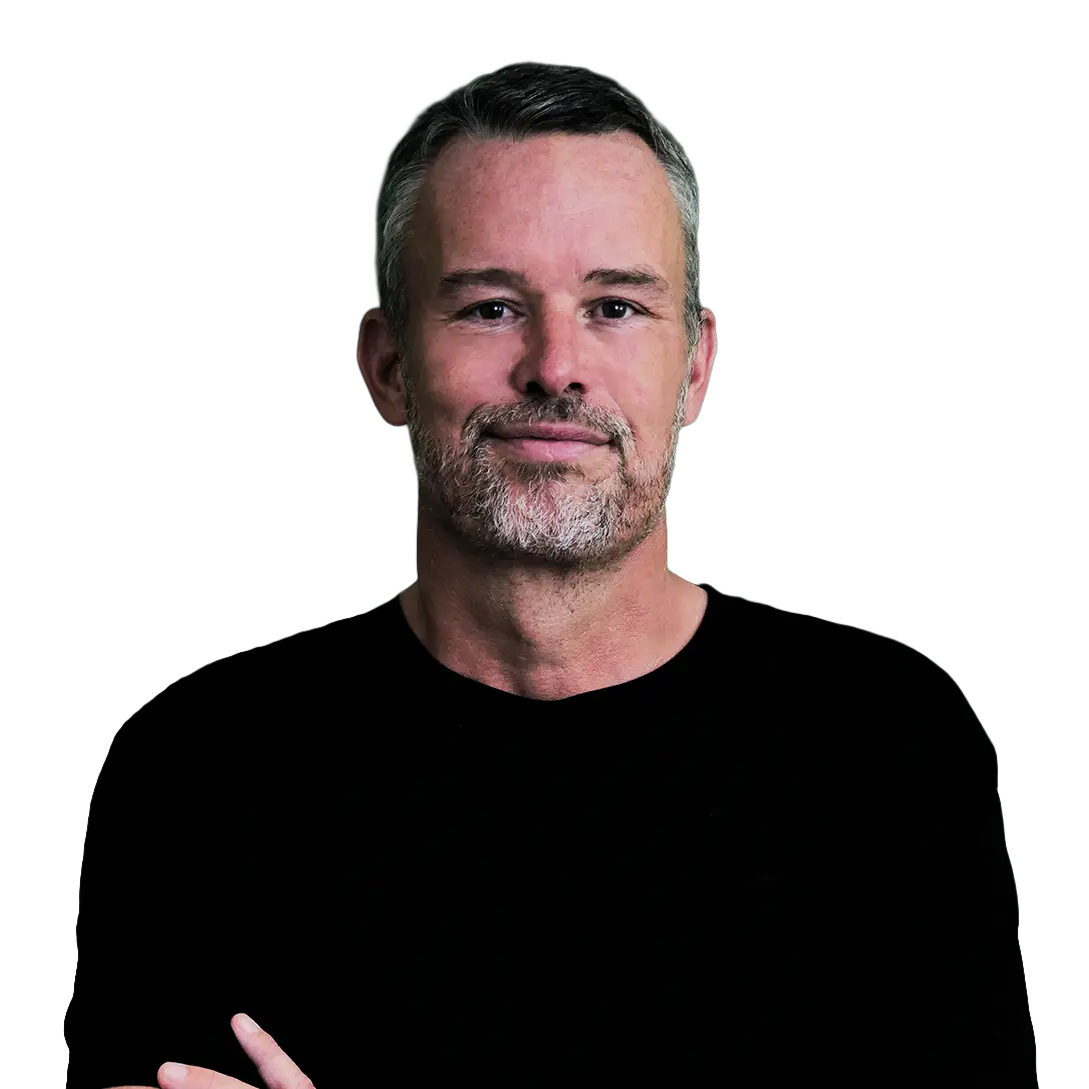

About Dr. Kay Bredehorst
Dr. Kay Bredehorst comes from a family with a strong background in biochemistry and microbiology. He has been researching phytonutrients and their influence on cell function for 15 years.
He founded Theralution, a company focusing on intestinal therapy and diagnostics. The development of Theralution was closely linked to the Luxembourg Institute of Health, one of the leading scientific institutes in Europe.
In recent years, Dr. Bredehorst has focused on sports and works with organizations such as Fundacion Real Madrid, Philadelphia Union USA, the New Zealand Emirates Sailing Team, and professional soccer players from the Premier League, the 1st Soccer Bundesliga in Austria and Germany, the 1st Ice Hockey Bundesliga, and amateur cycling.
Interview
In this interview, Dr. Bredehorst discusses the intention behind the project, the advantages of cell therapy, and the future of the institute.
Interviewer: Dr. Bredehorst, you and Dr. Marco Hartl founded Cell Education – The Institute. What was the main idea behind this project?
Dr. Kay Bredehorst: From the outset, our goal with Cell Education – The Institute was to improve the quality of medical care through the use of and training in cell therapy. We see ourselves as pioneers in plant-based bionic cell therapy, which can increase both the performance and longevity of patients. The idea was to equip therapists from various fields—from doctors and pharmacists to physical therapists and nutritionists—with the knowledge and practical skills to use this innovative method in their practices.
Interviewer: What are the core areas that cell therapy focuses on?
Dr. Kay Bredehorst: Cell therapy works on several levels and can be divided into four main areas: genetic regulation, cell aging and efficiency, mitochondrial function and antioxidant defense, and energy storage and utilization. Demethylation reactivates DNA, which reactivates dormant genes—a process known as “gene silencing.” In addition, cell therapy reduces the number of senescent cells that no longer function efficiently and improves mitochondrial function. This increase in mitochondria promotes energy production in the cells, which boosts overall performance and regeneration.
Interviewer: You talk about improved performance and longevity. How exactly does cell therapy contribute to this?
Dr. Kay Bredehorst: Cell therapy not only improves cell function, but also optimizes the body's overall metabolism. It increases aerobic energy storage while conserving anaerobic energy sources, which is particularly beneficial during high-performance activities such as sprints or intense exercise. At the same time, it reduces cell aging, which slows down the natural aging process and thus supports the longevity of patients. These two factors—performance enhancement and longevity—are particularly relevant for many of our customers, whether they are top athletes or patients with chronic diseases.
Interviewer: What role does the communication of information play in this method?
Dr. Kay Bredehorst: The dissemination of information is our main focus. We have made it our mission to provide therapists with comprehensive support in cell therapy so that they can apply it in their own practices. Our informational seminars and webinars not only convey theoretical content on cell function, but also provide participants with practical knowledge that they can use in their therapies. Our goal is to teach therapists how they can sustainably improve their patients' health through cell therapy and complementary measures such as nutrition and exercise.
Interviewer: Who are the typical participants in your programs?
Dr. Kay Bredehorst: Our participants are a diverse group of professionals. They include doctors, pharmacists, physical therapists, nutritionists, and sports trainers. They all come from different fields, but share a common goal of improving the medical care and well-being of their patients. Topics range from the treatment of chronic diseases and prevention to increasing athletic performance and improving overall health.
Interviewer: How is cell therapy actually used in practice?
Dr. Kay Bredehorst: Cell therapy has a wide range of applications. It is used to treat chronic conditions such as diabetes and cardiovascular disease, as well as in preventive medicine and to optimize athletic performance. By promoting mitochondrial production and improving cell function, the therapy can help accelerate regeneration and increase patients' overall well-being. It also plays an important role in anti-aging by slowing down the aging process at the cellular level.
Interviewer: What are the long-term health benefits of cell therapy?
Dr. Kay Bredehorst: In the long term, cell therapy can play a significant role in preventing disease and improving quality of life. By strengthening cell health and promoting the body's natural regeneration, many chronic diseases can be prevented or their progression mitigated. Patients also benefit from increased energy production and improved stress resistance at the cellular level. These effects contribute to cell therapy remaining a central element of modern medicine in the future.
Interviewer: Finally, what are the next goals for Cell Education – The Institute?
Dr. Kay Bredehorst: We would like to continue expanding our seminars and offer more therapists worldwide the opportunity to acquire knowledge in cell therapy. At the same time, we are working intensively on further developing therapeutic approaches to cover even more specific areas of application. Our long-term goal is to establish cell therapy as a standard therapy in medicine and thus have a positive impact on the quality of medical care nationally and internationally.
Interviewer: Thank you very much for talking to us, Dr. Bredehorst.
Be part of the future of medicine
Register now for our continuing education course in cell therapy and expand your knowledge so you can offer your patients holistic, cause-based treatment concepts. Whether you are a physician, pharmacist, or medical professional, you can benefit from the latest scientific findings and practical applications for treating chronic diseases, strengthening prevention, and optimizing your patients' performance.
Actively shape the future of medicine and improve the quality of your medical care. Book your training course now at Cell Education – The Institute and take your practice to the next level!
Contact us
Frequently asked questions
Here are some frequently asked questions about cell therapy.
The main goal of cell therapy is to regenerate damaged cells and improve cell function. This is achieved by promoting mitochondrial production and regeneration, allowing cells to regain their full functionality. These processes enable cells to produce energy more efficiently and provide important proteins and hormones that are necessary for health and well-being.
An unhealthy lifestyle with a lack of exercise and poor nutrition leads to damage to cell structures and impaired cell function. Cell therapy addresses these problems through individualized training programs and nutrition plans that aim to optimize metabolism and promote cellular health. These measures help to reduce damage and improve cell function.
Cell therapy involves several specific measures, including the activation of AMP-activated protein kinase (AMPK), which plays a key role in mitochondrial regeneration and biogenesis. It also involves increasing the production of intracellular antioxidants such as glutathione peroxidase (GPO) and superoxide dismutase (SOD), which help cells protect themselves from oxidative stress.
In the long term, cell therapy can lead to a reduction in biological aging, an improvement in general health, and an increase in life expectancy. By revitalizing cell functions and reducing inflammation in the body, diseases such as cardiac arrhythmia, dementia, and Parkinson's can also be delayed or reduced.
The mTOR pathway is a key regulator of cell growth and protein production. Reducing this pathway through cell therapy promotes the conversion of fats into ketone bodies, a more efficient and healthier source of energy than sugar. This not only contributes to weight control and improved energy supply, but also improves tissue deacidification, which has a positive effect on cell and organ function.